A trip of a lifetime?
There is no doubt that exploring the Galapagos Islands had been on my travel bucket list for quite some time even though I wasn’t entirely sure what to expect.
Was it a trip of a lifetime? In the sense that it was absolutely, positively amazing and changed my life beyond the actual trip – yes. In the sense that, for whatever reason, I will never get a chance to go again – probably not. Our trip was 10 years ago and remains one of our favourites and we have talked about going back to see even more.
This was our first experience with G Adventures. They were known as GAP Adventures at that time but a US court ordered them to change their name (in the US only) after being sued by the clothing giant GAP Inc. As if anyone with half a brain would confuse the two. Anyway, that’s a whole other story.
A leader in small-group travel and a Canadian company, it seemed the best fit for the amount of time we had to travel and what we wanted to accomplish. So off we went on our first adventure tour.
A rough start
Winters in Ontario, Canada can be unpredictable, cold and long. This was the main reason we wanted to leave it all the time to explore warmer climes.
On the day we flew out there were no issues with the weather at our end but on the way to airport I discovered our flight out of Toronto had been cancelled. The plane wasn’t able to leave New York. Having not had this experience before we were uncertain how to handle it. Our first leg from Toronto to Miami had been cancelled but the flight from Miami to Quito, Ecuador was still on time.
We tried talking to the agents about another way to Miami and got nowhere. It wasn’t until I started asking at each and every airline desk if they could get us to Quito that we finally found someone willing to help. It was a much less direct route and not even the same airline but we didn’t end up paying a single dime more for the new flights and we made it to Ecuador in time for our tour.
Day 1 - Flights, boats and buses
We flew from Quito to Guayaquil where we stopped only long enough to let some people off and more people on. Then it was on to Seymour Airport on Baltra Island. After paying the park fee of $100 US, we were shuttled off to a waiting boat to cross the narrow gap between Baltra and Santa Cruz Island.
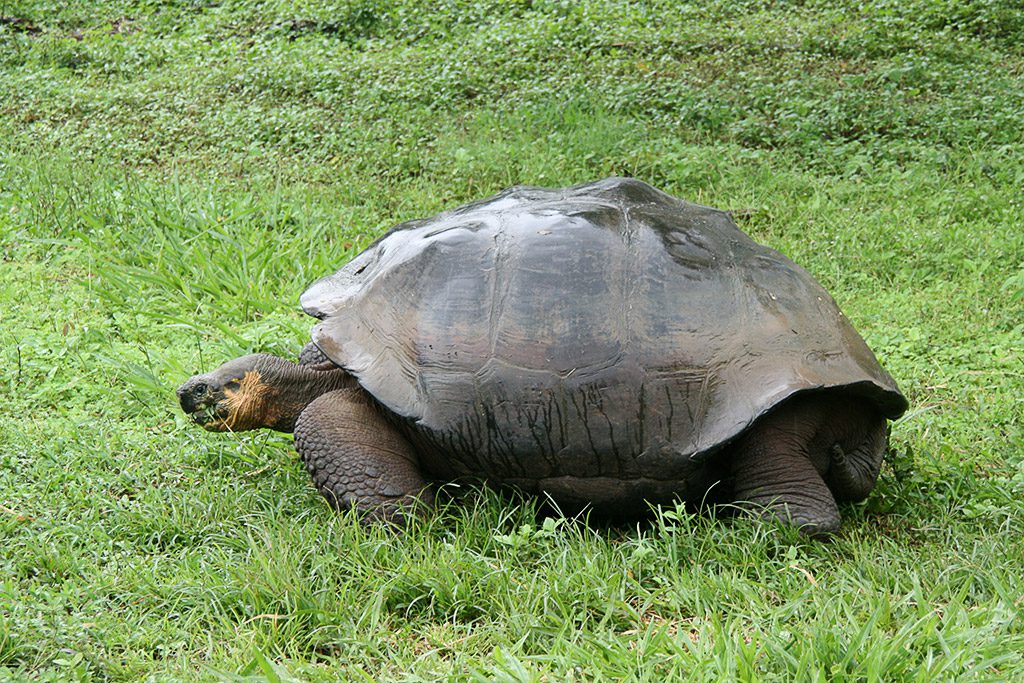
Our first trip was to the highlands to see the Giant Tortoises.This was quite fitting since the archipelago is named after them (Galapago is an old Spanish word for tortoise). They are quite impressive! Although there is a wide variation in sizes between the 11 surviving species, they can reach a weight of 500 lbs and live for over 100 years.
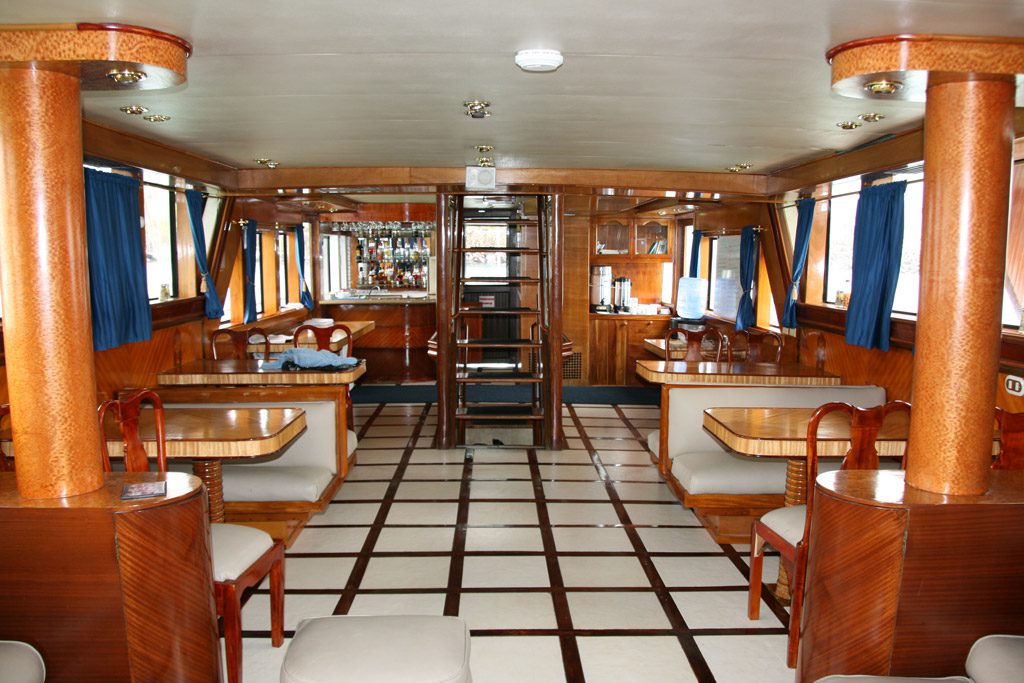
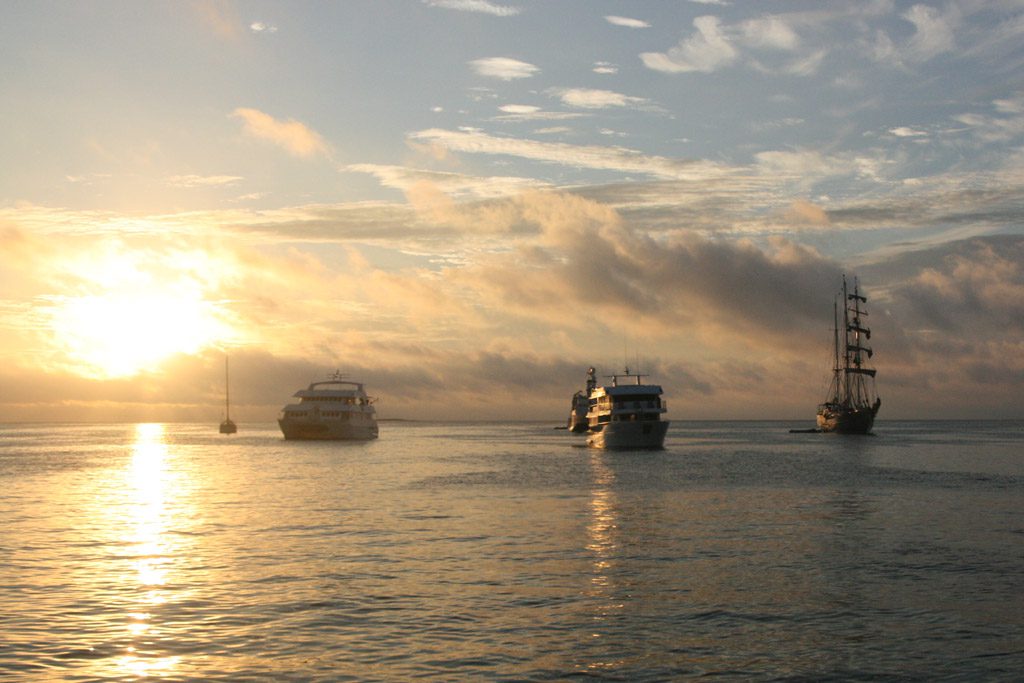
In Puerto Ayora, the port city on Santa Cruz Island, we were introduced to our Naturalist Guide, Hansel and taken to the 8 berth yacht that we would call home for the next 7 nights.
Day 2 - North Seymour and Chinese Hat
Our first landing for the day was on North Seymour Island. I was instantly overwhelmed by the number of different animals lounging about. You can imagine the sheer number of pictures I took not wanting to miss any of it.
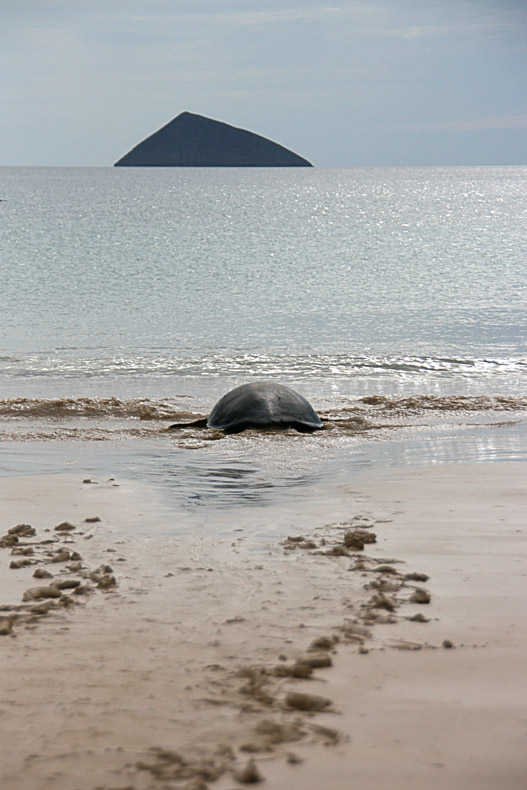
Chinese hat island is a small islet off of the larger Santiago Island. Named for the shape when viewed from afar, there isn’t much in the way of vegetation but there was still plenty of wildlife.
Day 3 - Bartolome and Santa Cruz
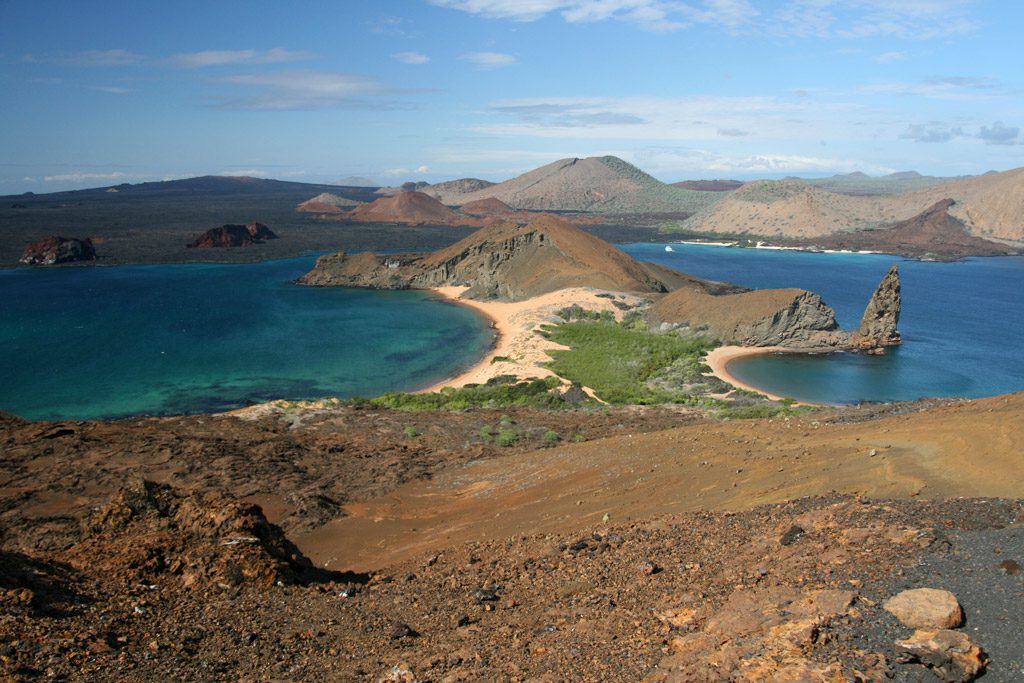
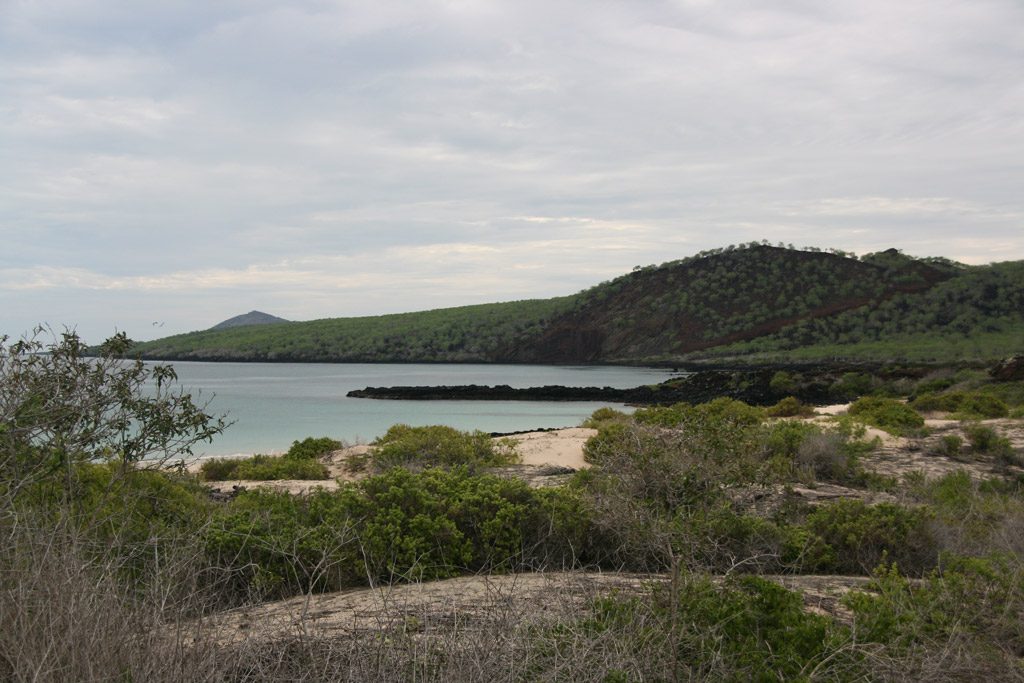
Bartolome Island is home to one of those iconic views that you see everywhere but what struck me the most about this island was how much it looked like a Mars landscape instead of part of our planet.
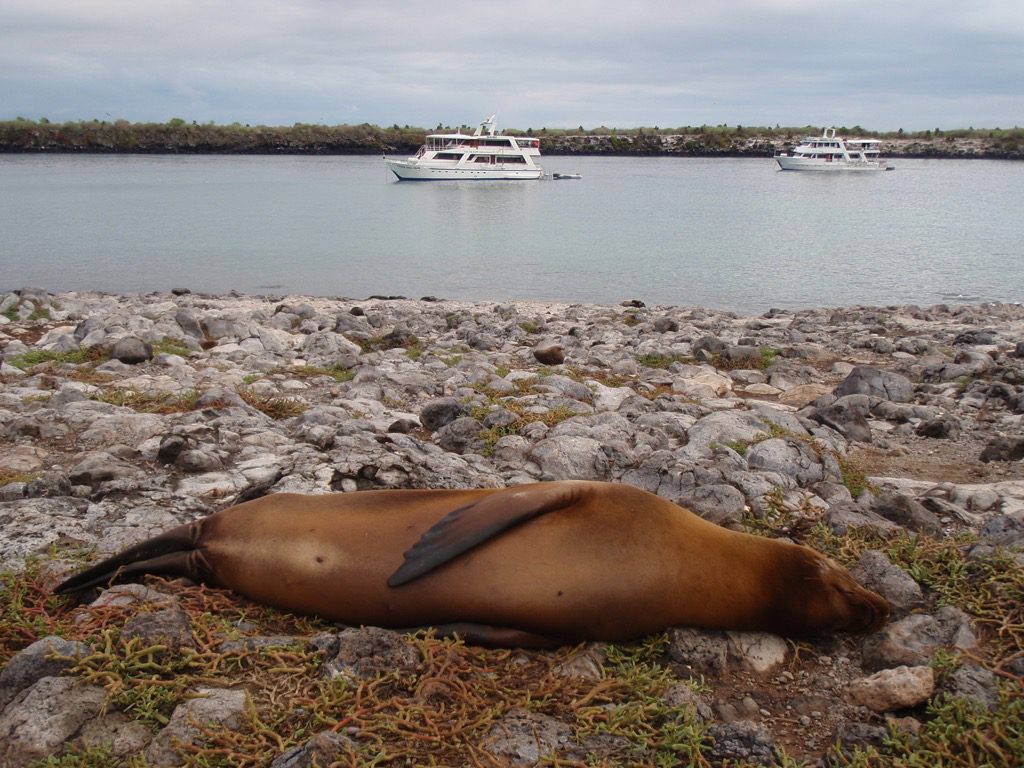
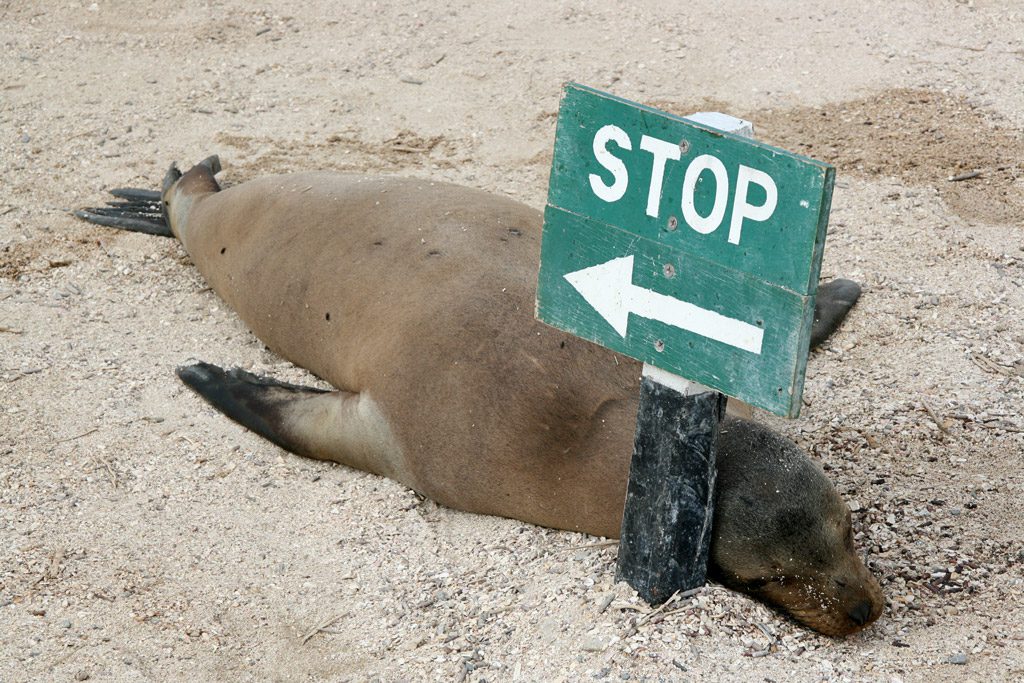
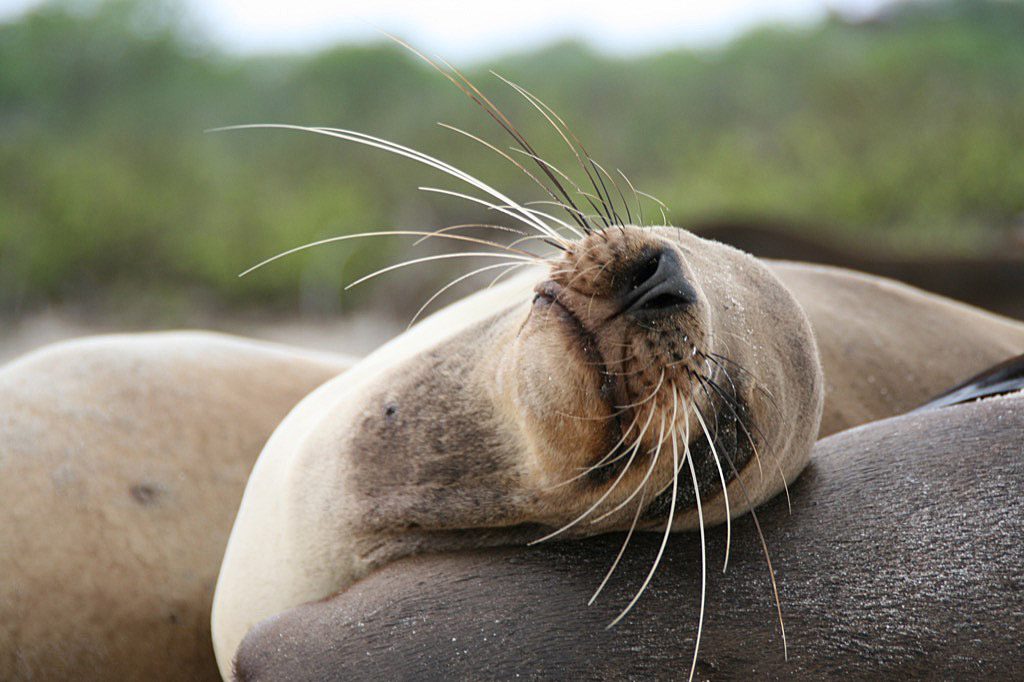
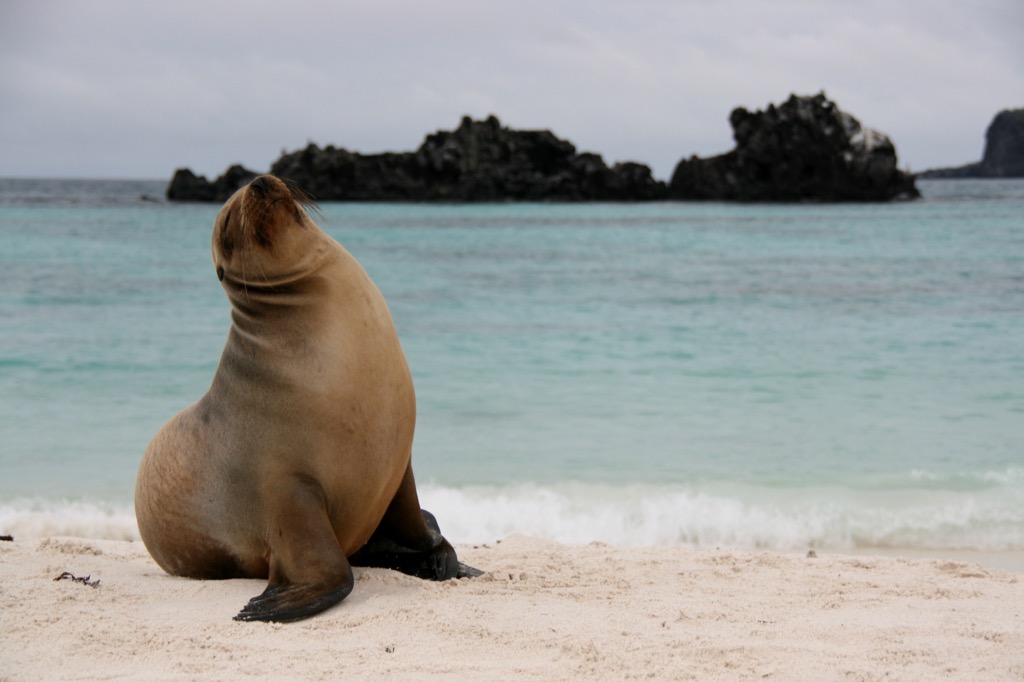
The sandy beach area was, of course, home to several Sea lions and the waters were teeming with fish, sharks and even penguins zipping by.
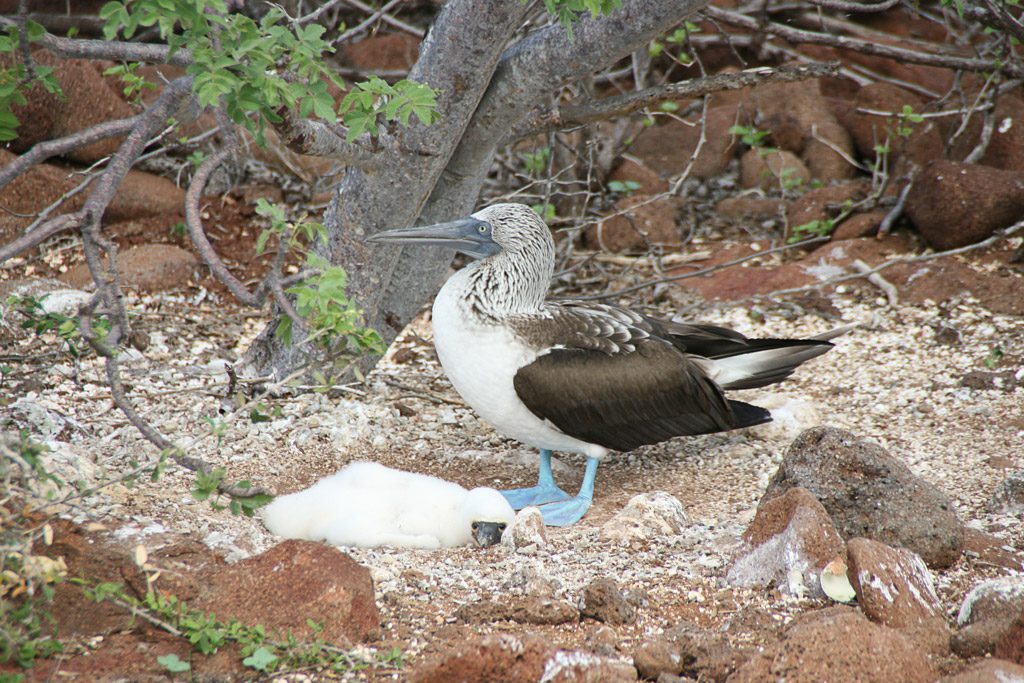
Our second stop of the day was at Black Turtle Cove on Santa Cruz Island where we toured around the mangroves in the dingy. It was raining now so only the waterproof camera came out. One of the best sights was watching the Boobies dive into the water after fish. They looked like missiles.
Day 4 - South Plaza and Santa Fe
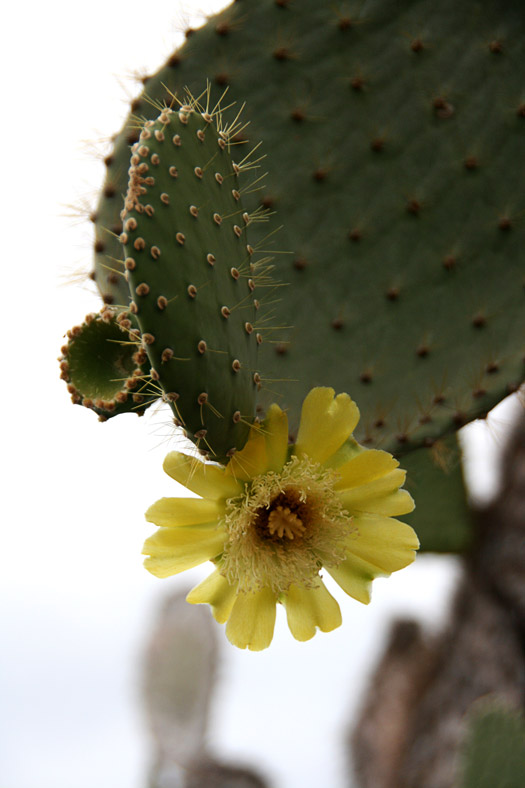
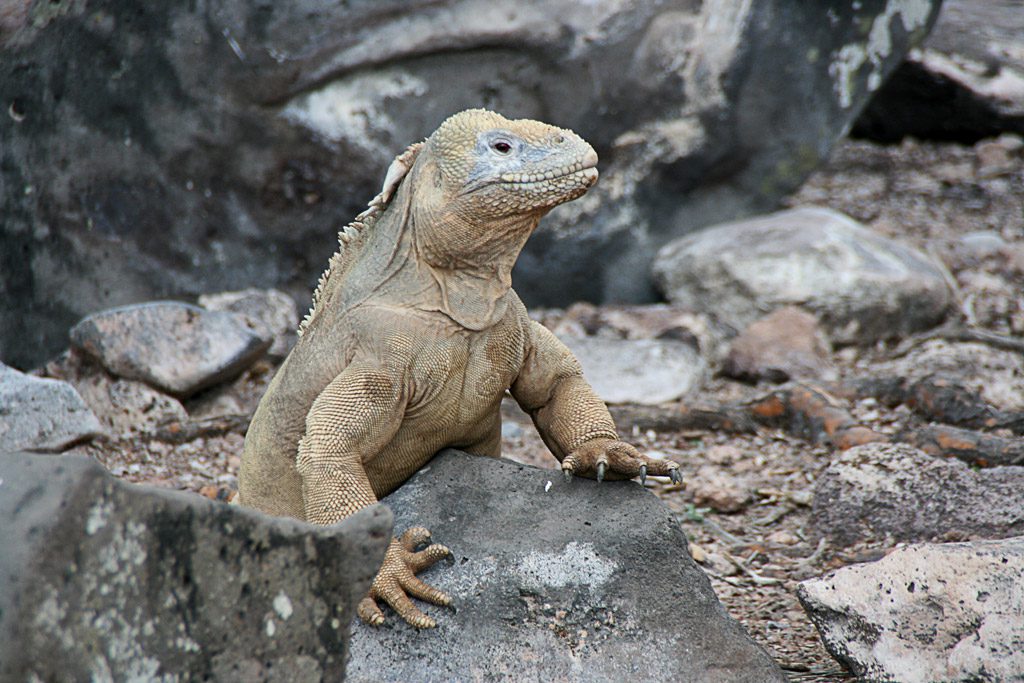
Every island we visited had a unique feel to it. South Plaza Island was mostly cactus forest and low lying shrubs. The Land iguanas are plentiful and there are Sea lions everywhere (of course).
Our second stop was to Santa Fe island. It is home to some massive cactus trees, a Land iguana endemic to the island and some pretty nice beaches.
Day 5 - San Cristobal
San Cristobal is home to the islands oldest settlement. Now the island has the second largest human population and the town of Puerto Baquerizo Moreno is the capital of the Galapagos province. We visited the Galapagos National Park Visitor Centre and relaxed on the white sand beaches with our Sea lion friends.
This was a change over day where some people left the boat and new ones came on.
Day 6 - Espanola
Espanola Island is probably my favourite in terms of quantity and variety of wildlife present. We spent the whole day here between Punta Suarez and Gardners Bay.
Day 7 - Floreana
Floreana probably has the most interesting human history of all the islands. One of the main attractions here is the ‘post office’. A group of whalers set up a barrel in 1793 and passing seamen would take addressed letters with them if they were heading in the same direction.
Day 8 - Santa Cruz
The final day of our tour had us visiting the Charles Darwin Research Station before hopping on the bus, boat and plane back to Quito. The Research Station is home to turtles ranging in size from a few inches to four or five feet in length. We were fortunate enough to see Lonesome George. He was the last of his kind and died in 2012.
We stayed on for a few more days in Quito, Ecuador touring the city and taking a day trip to the Otavalo market.
When I look back at all we packed into these 12 days it simply amazes me. This trip really sold us on the small-group adventure travel style and G Adventures was a solid choice.