One of my favourite things about Sydney is the public transit system. I’m sure the novelty of it plays a big part in that, having grown up in a small town. However, Sydney just does a really good job of it. As a tourist, it’s very easy to navigate around. Also, as a tourist, one might not be aware of the Sunday price cap on travel. You can travel anywhere by public transit for $2.80 (except to and from the airport).
We took advantage of this and caught the river ferry from Parramatta to Cockatoo Island to explore this UNESCO World Heritage Site that only opened to the public in 2007.
Storied Past
The Aboriginal name for this island is Wareamah – ‘war’ meaning women and ‘eamah’ meaning land – suggests that it was a site for women’s ceremonies prior to European settlement.
The colonial history of the island dates back to 1839 and includes a penal establishment, a reformatory school for girls and a long history as an important shipbuilding site.
Today, people can wander freely around the grounds or take a self-guided audio tour. During the summer break, there is also a variety of guided tours available.
Overnight accommodations range from waterfront tent camping to distinctive heritage houses with phenomenal views.
Current day campground
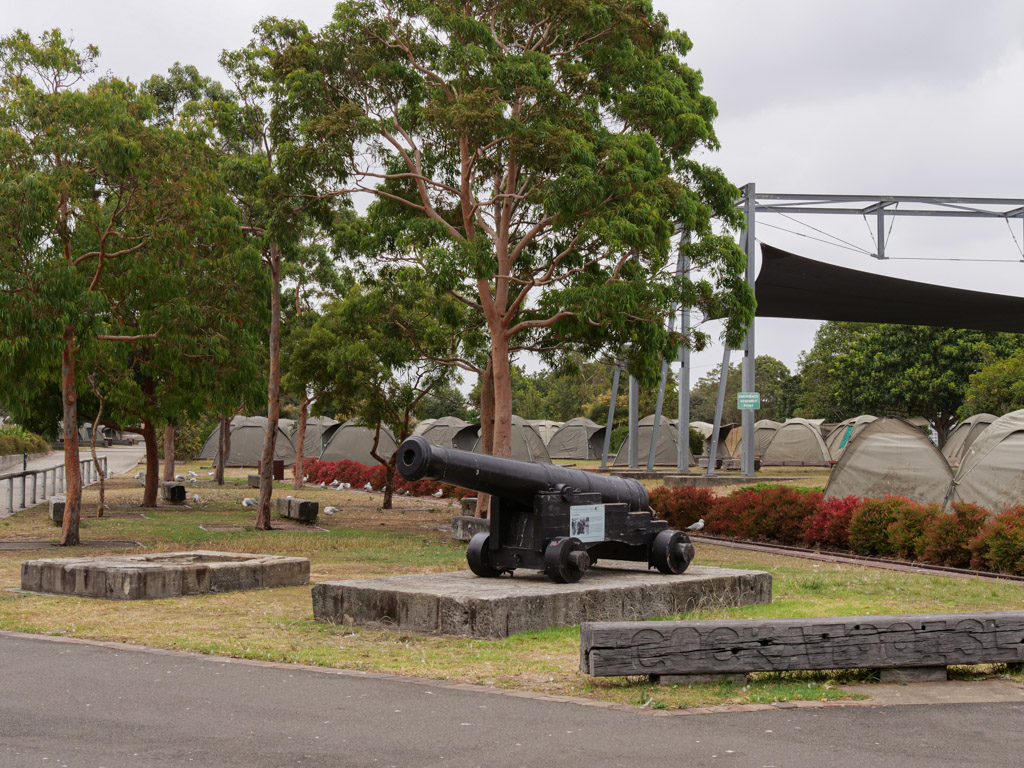
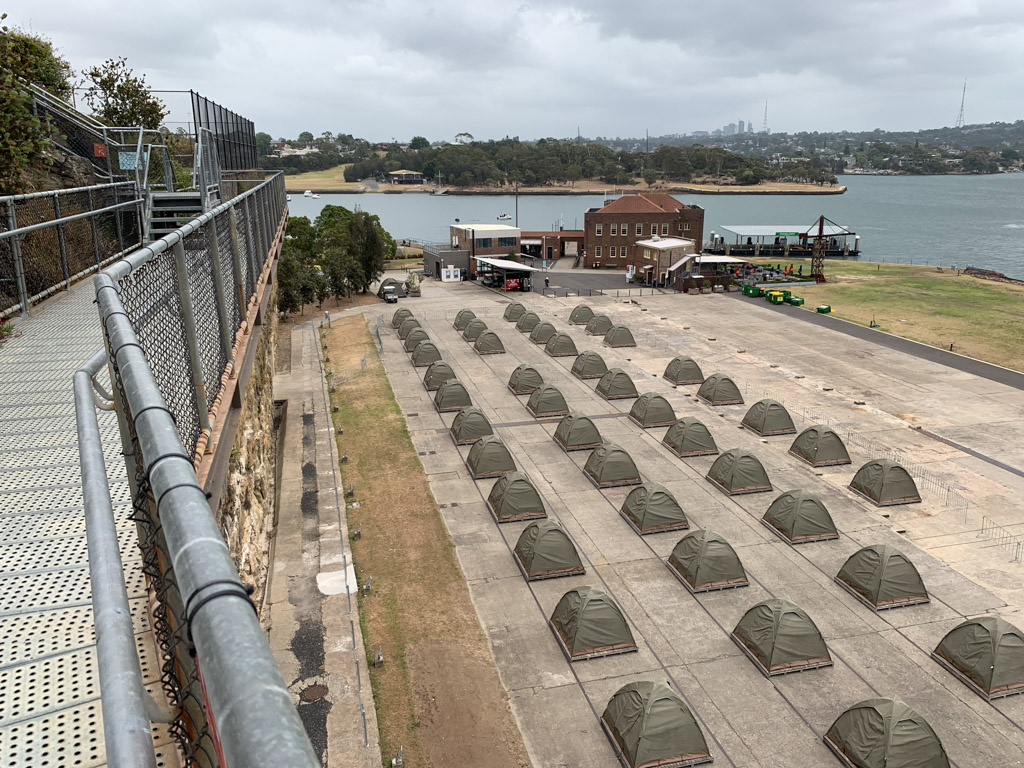
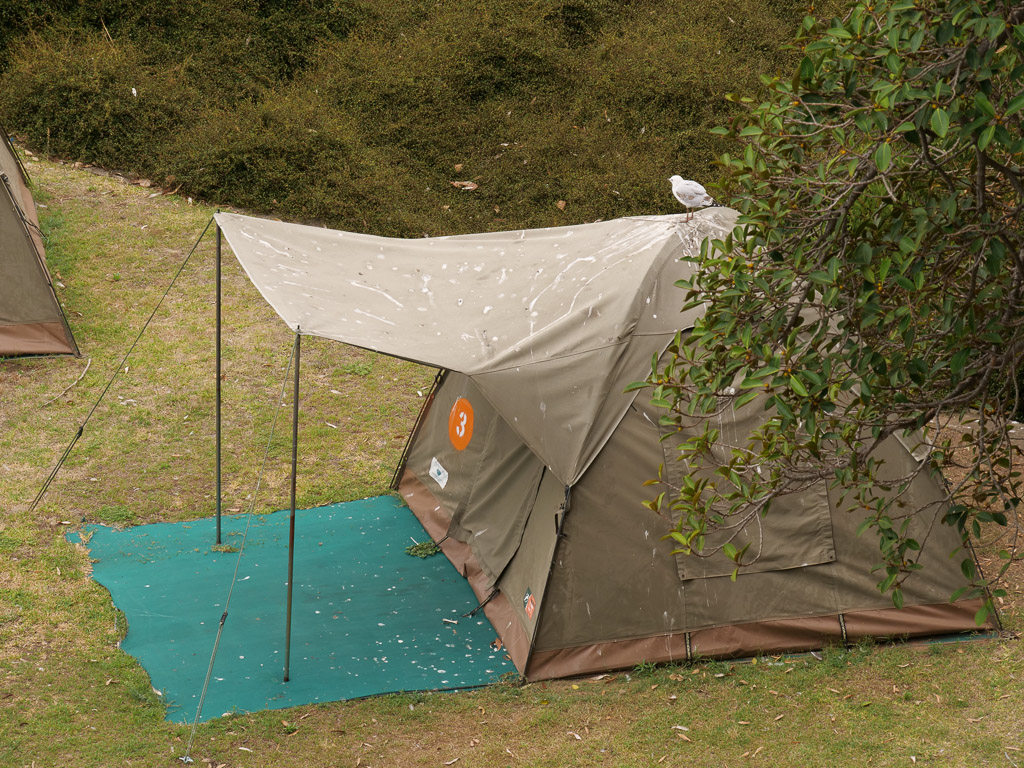
The first thing you notice when you get off the ferry is the military-like tents dotting the landscape. The second thing you notice is all the seagulls dotting the tents.
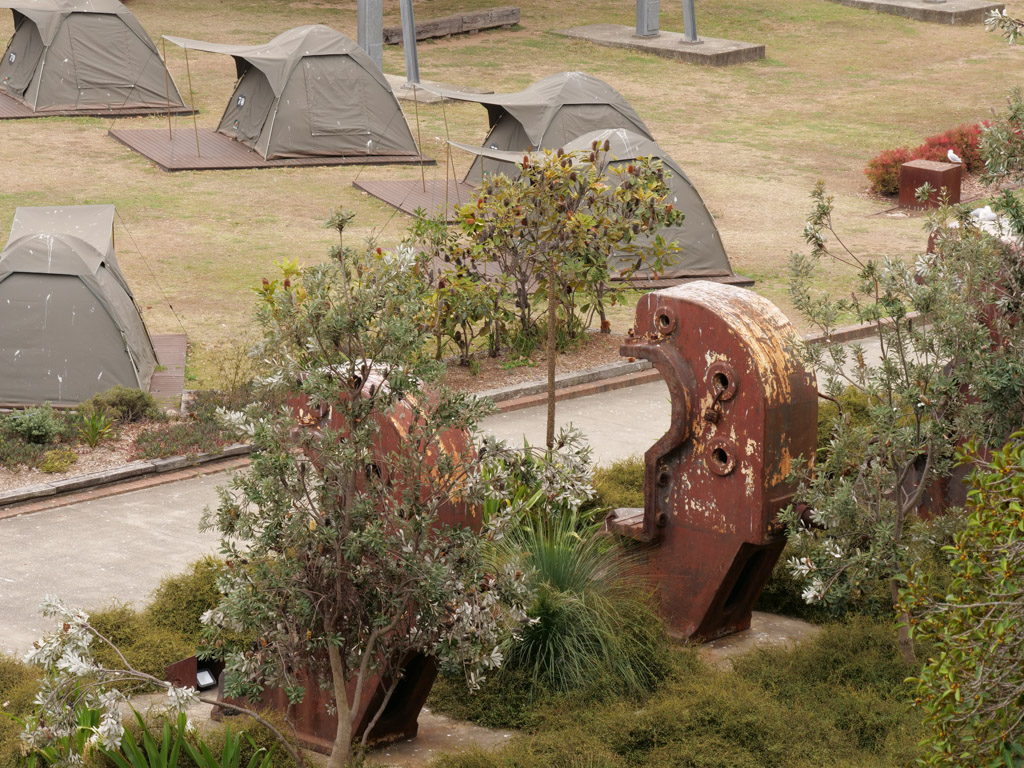
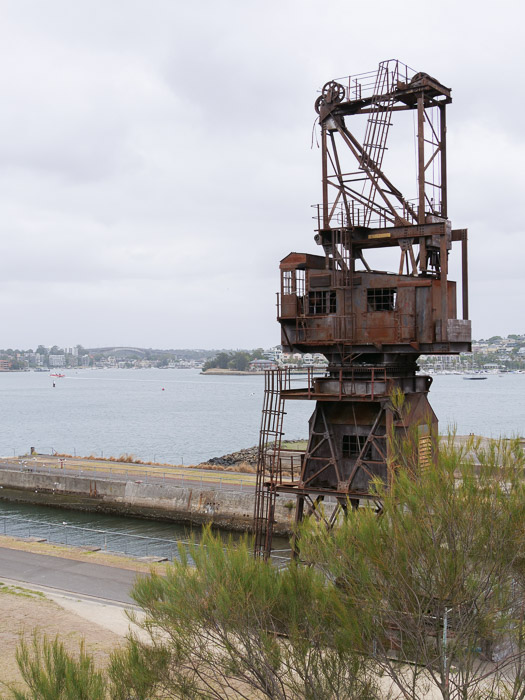
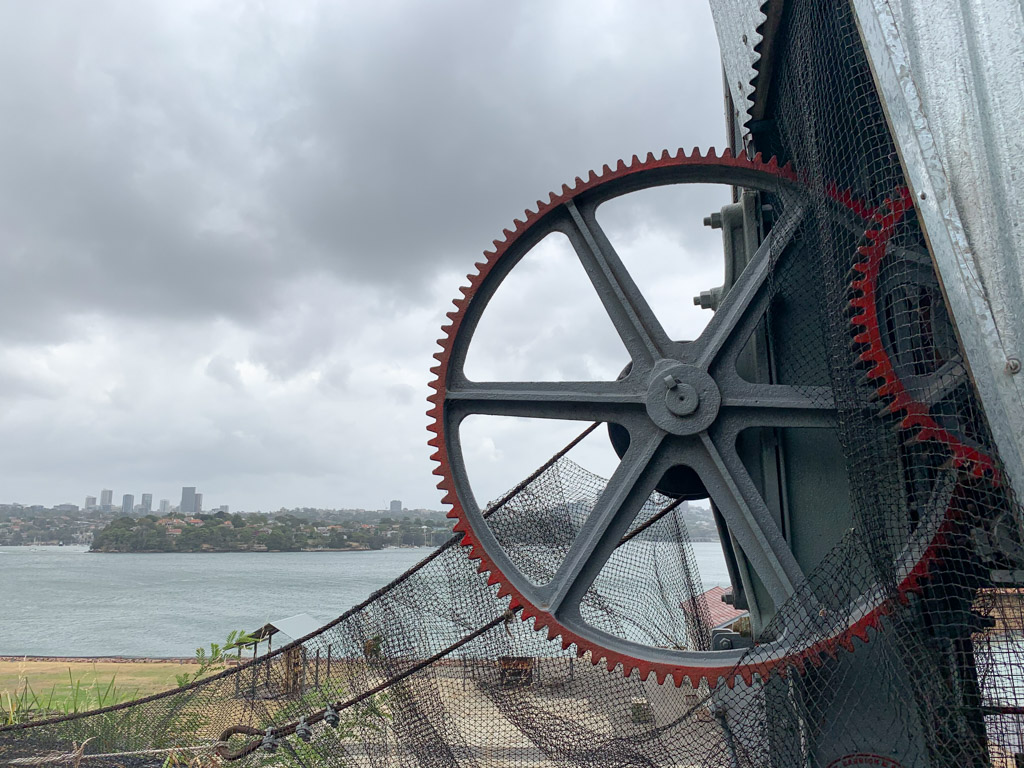
Pieces of old industrial equipment stand as a tribute to the past. These beam benders are now considered art sculptures.
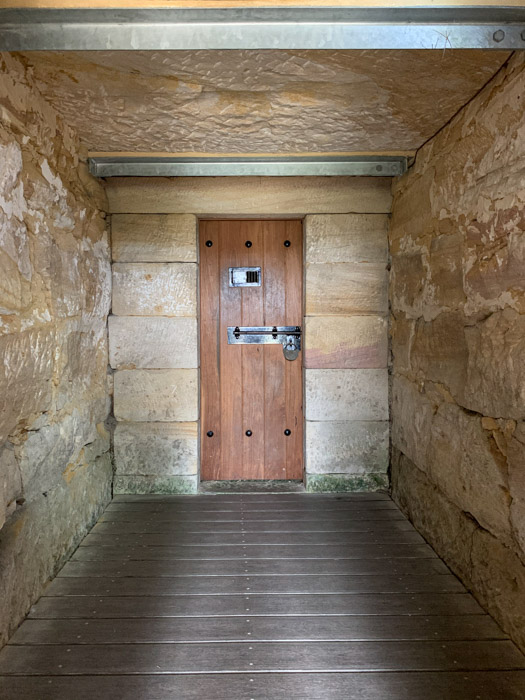
Beside the campground is an air raid shelter that was built during World War II. Cockatoo Island was of strategic importance during the war, becoming the only dockyard in the South West Pacific that could take on major repairs to naval vessels.
Convict Past
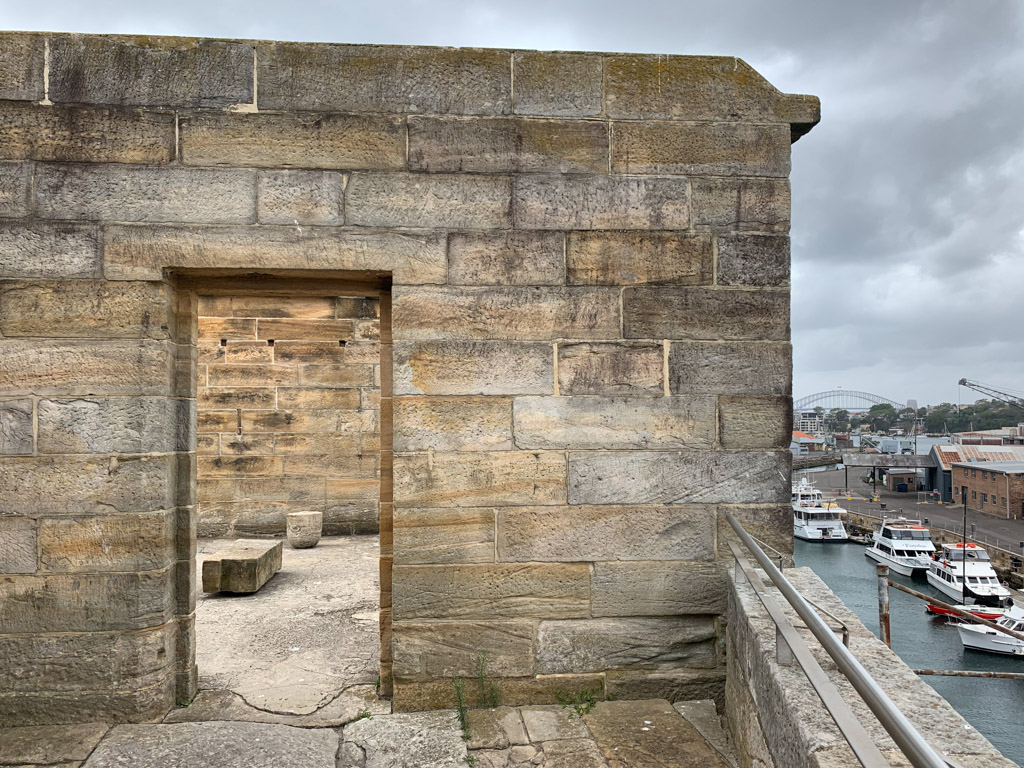
The convicts sent here in 1839 had to build their own prison. As you can imagine, the living conditions were dismal and the work was backbreaking. They also built the Fitzroy dock, which was one of the largest dry docks in the world at the time.
In 1869, the prison was closed and the island was divided into two. The lower dockyards continued to operate under the Public Works Department. The prison barracks weren’t empty for long, though. In 1871, the upper site became an industrial school for girls and a separate reformatory school for girls under 16 who had committed a crime. It reverted back to a prison in 1888 until 1908 before becoming a major shipbuilding site.
Shipbuilding Past
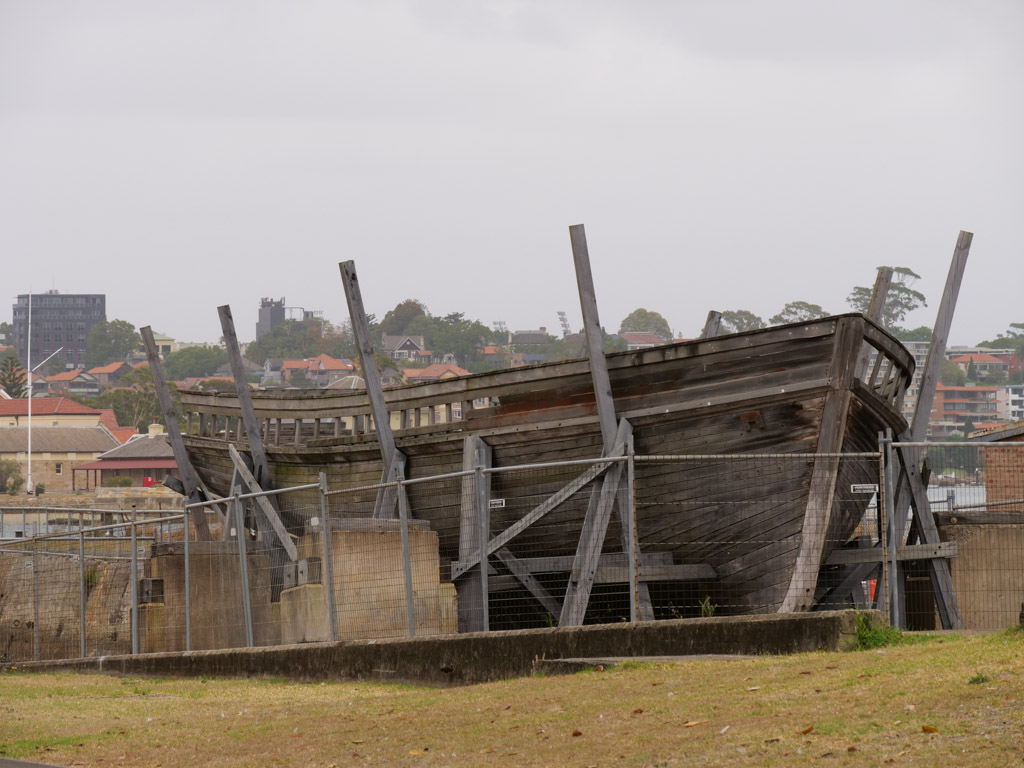
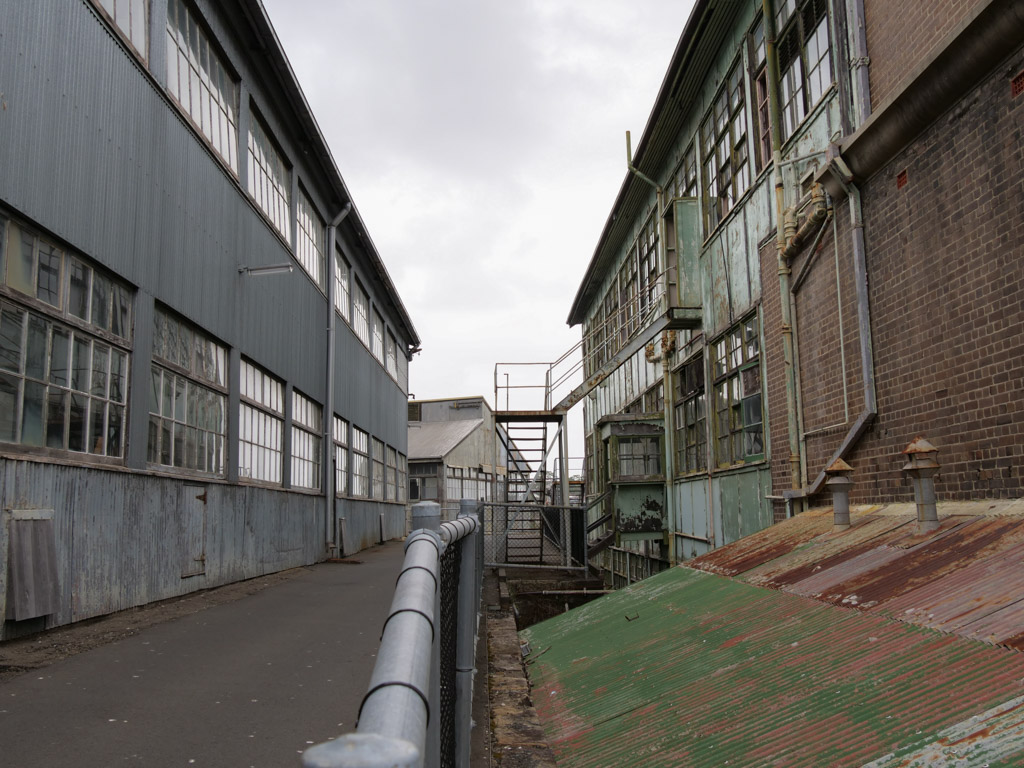
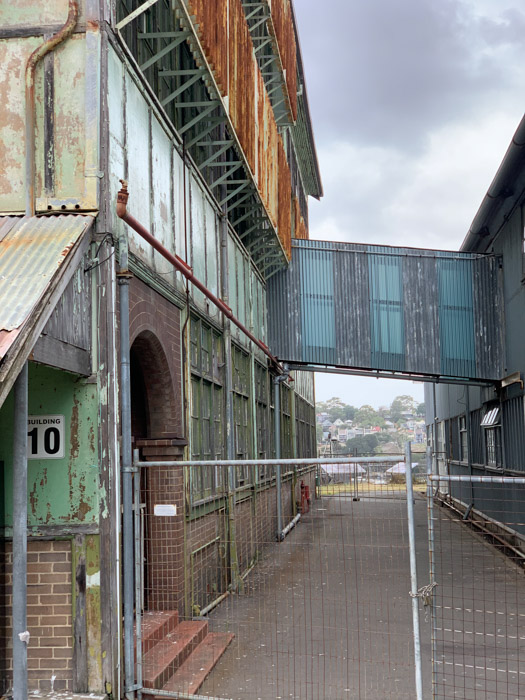
In 1913, the Commonwealth Government purchased the island and all the buildings. It became the official naval dockyard for the Royal Australian Navy. During World War I, nearly 2000 ships docked on Cockatoo, and by 1919 the workforce was over 4000. The number of employed fell drastically during the Great Depression.
During World War II, after Singapore fell, it was the only shipyard in the south Pacific that could take on major repairs. Fifteen US, nine British, and eleven Australian ships had major repair work done. The workforce was back up to 3100 people, and by the end of the war, 750 ships had docked on Cockatoo Island.
The dockyard continued operations with ups and downs until it closed permanently at the end of 1991.
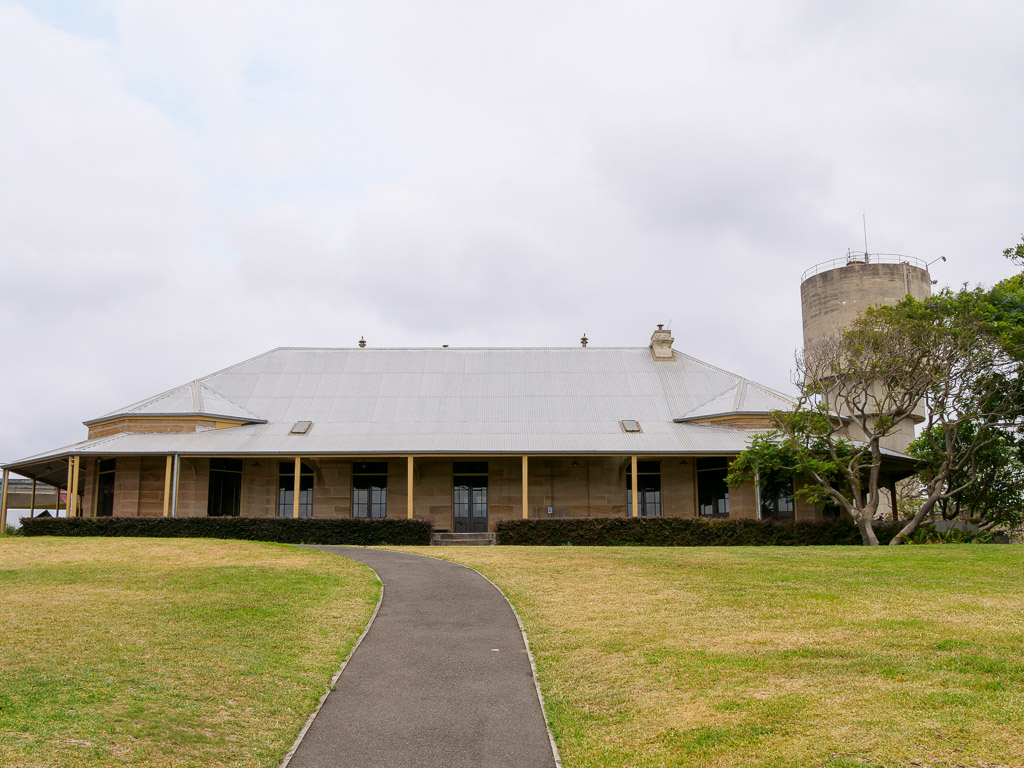
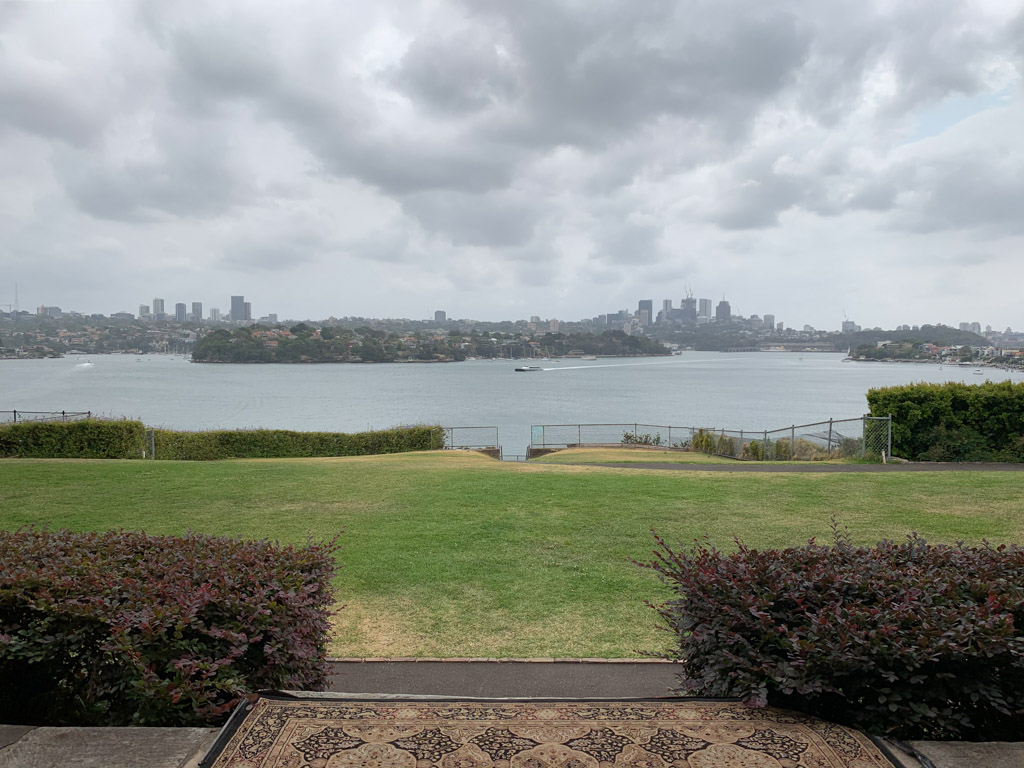
Historic Residences
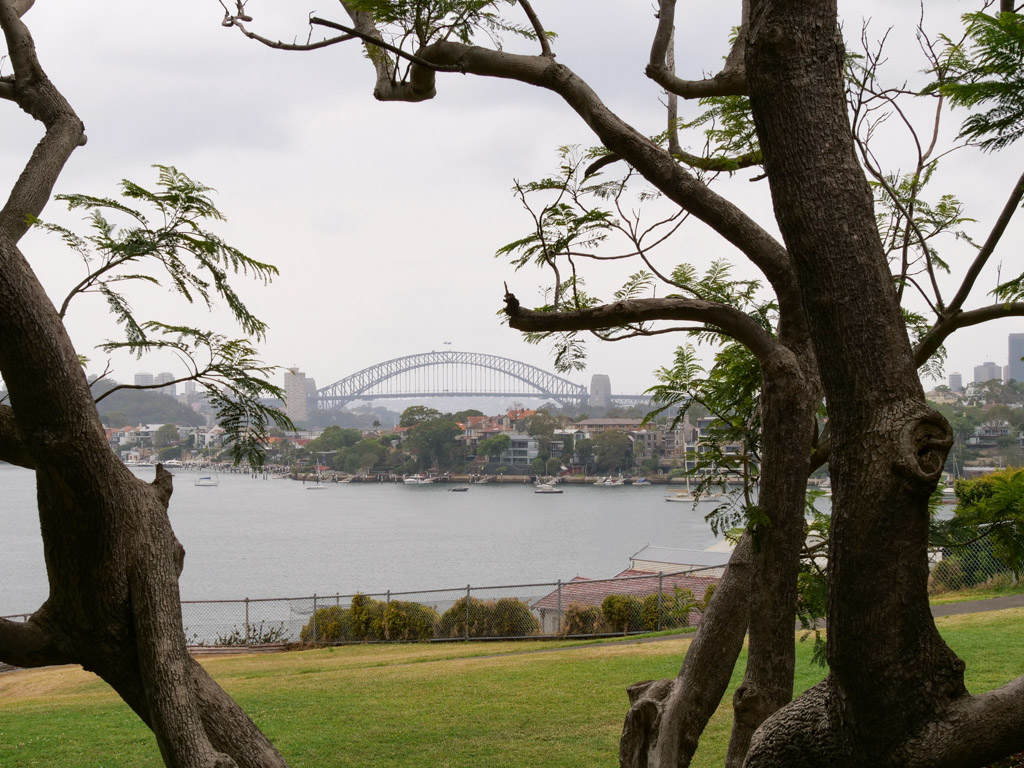
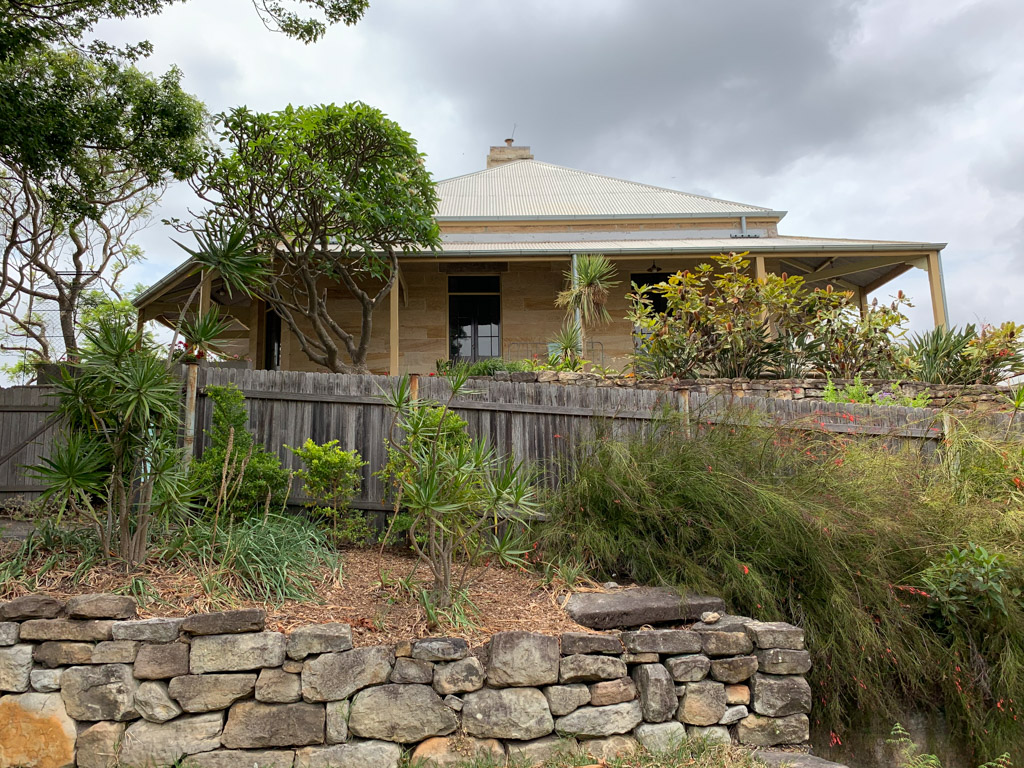
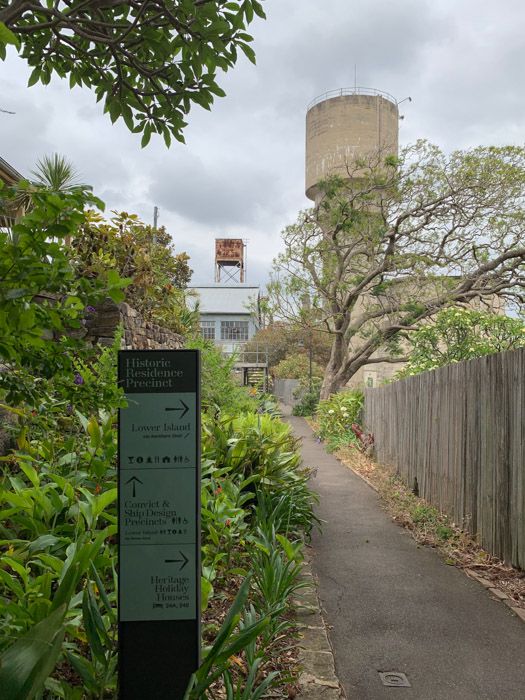
The residential area where the higher-ups lived has a striking view out over the water and some beautiful garden areas.
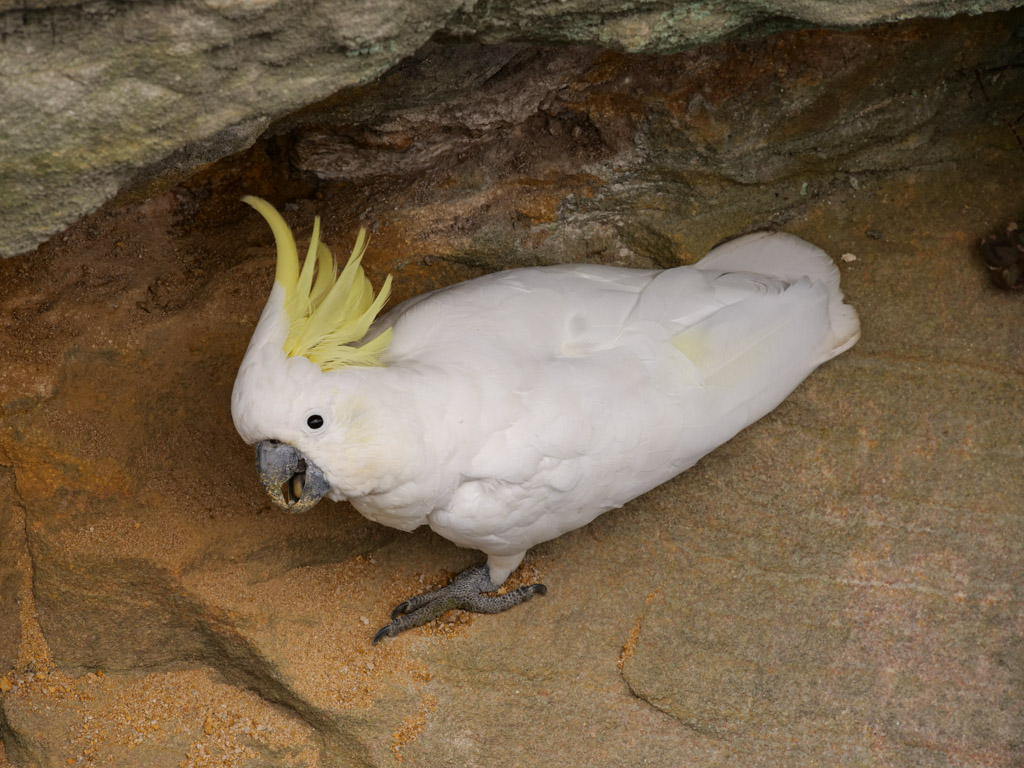
Of course, you cannot go to Cockatoo Island without taking a picture of its namesake.
A visit to Cockatoo Island is highly recommended. The stunning views, the fascinating history and the ferry ride through Sydney harbour or along the Parramatta River are well worth it. For more information about the island and its history check out the official website – here.
Check out some other Australian convict sites we visited while in Tasmania – here.
Wow Jen, the buildings and sculptures were striking and the story of the girls’ reformatory moving. Thanks for the history. Aunt Thelma
Thanks for the great pics of the area and the detailed historical background.
A great history lesson and wonderful pics to go with it.